Squash - Cushaw Green Striped
Minimum Seed Count: 10
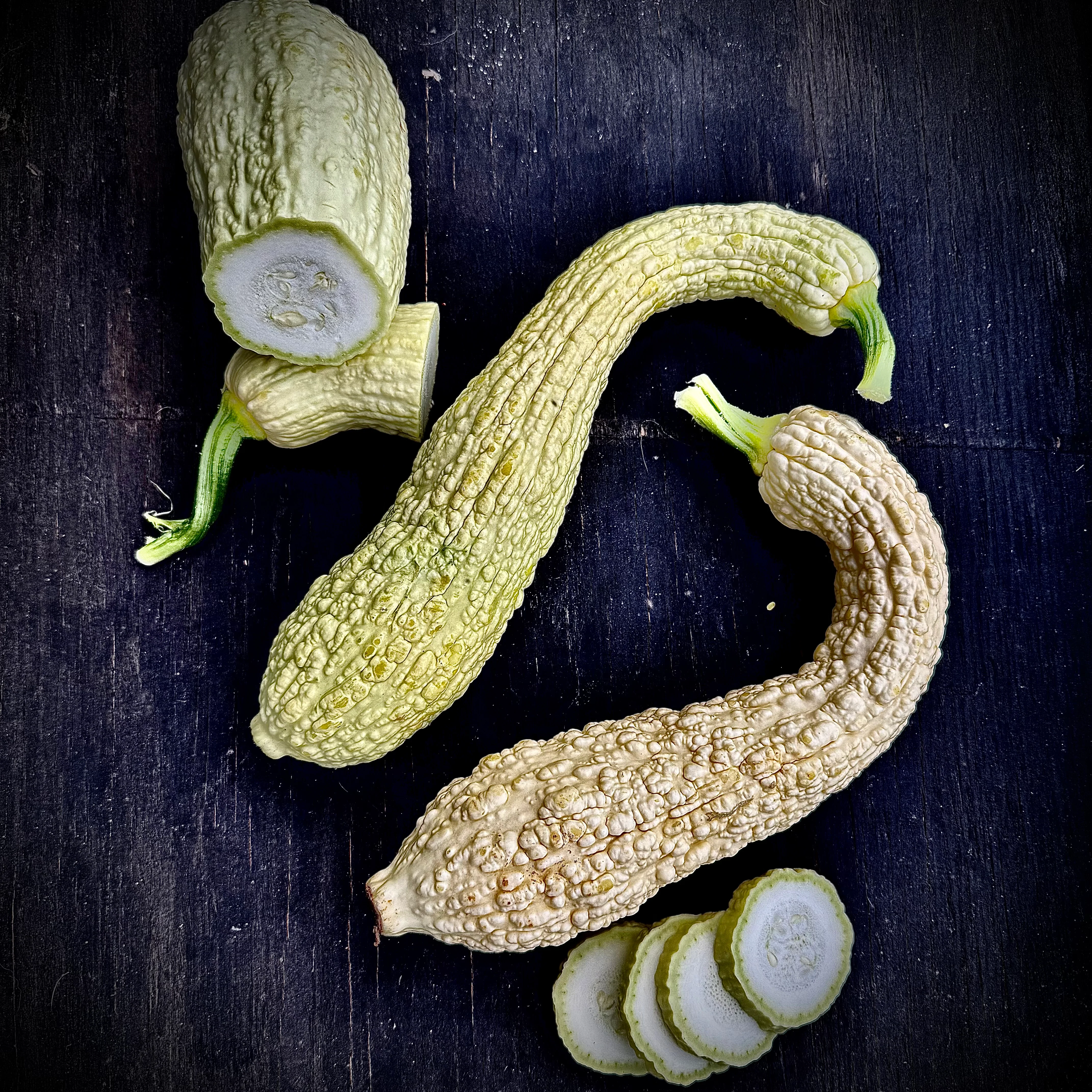
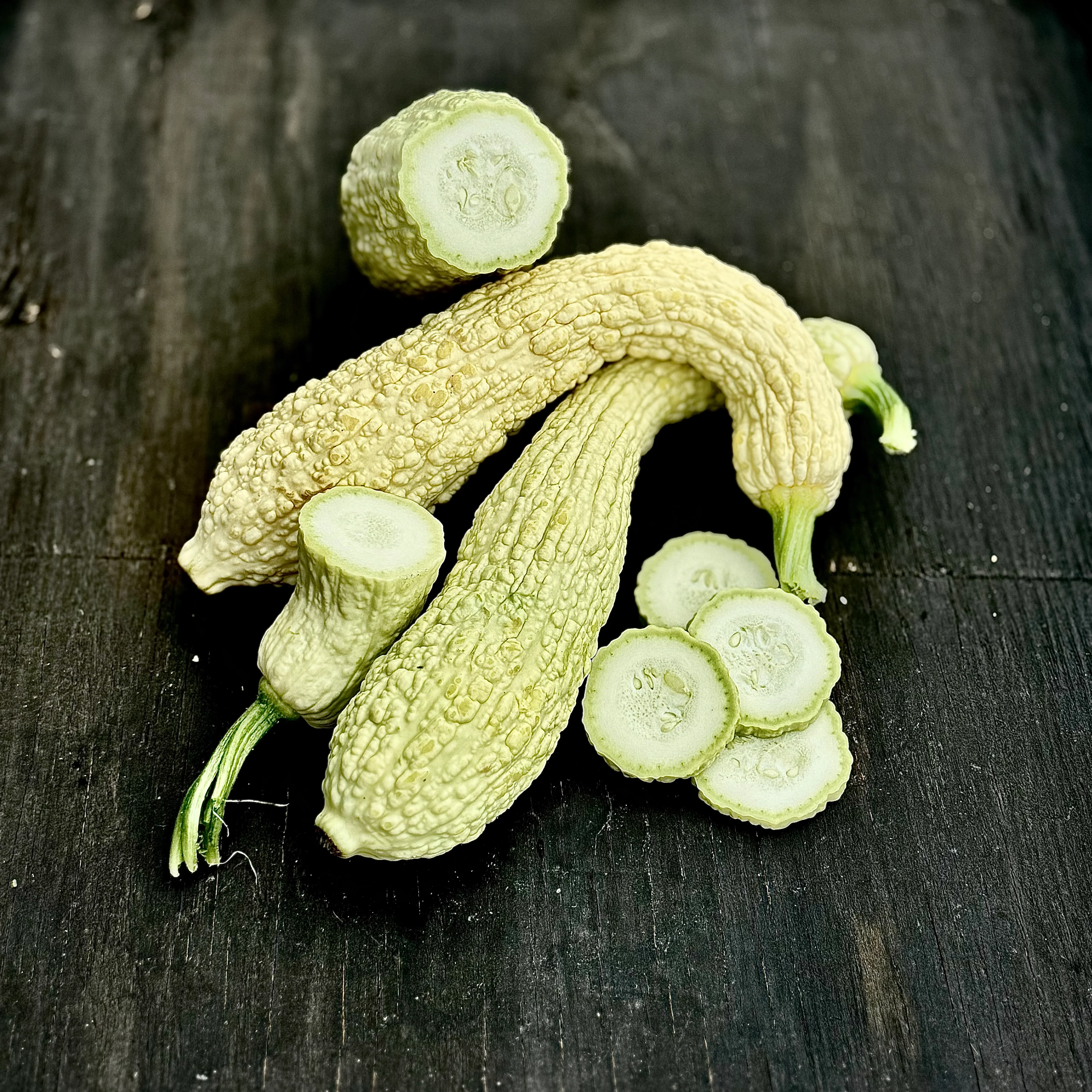
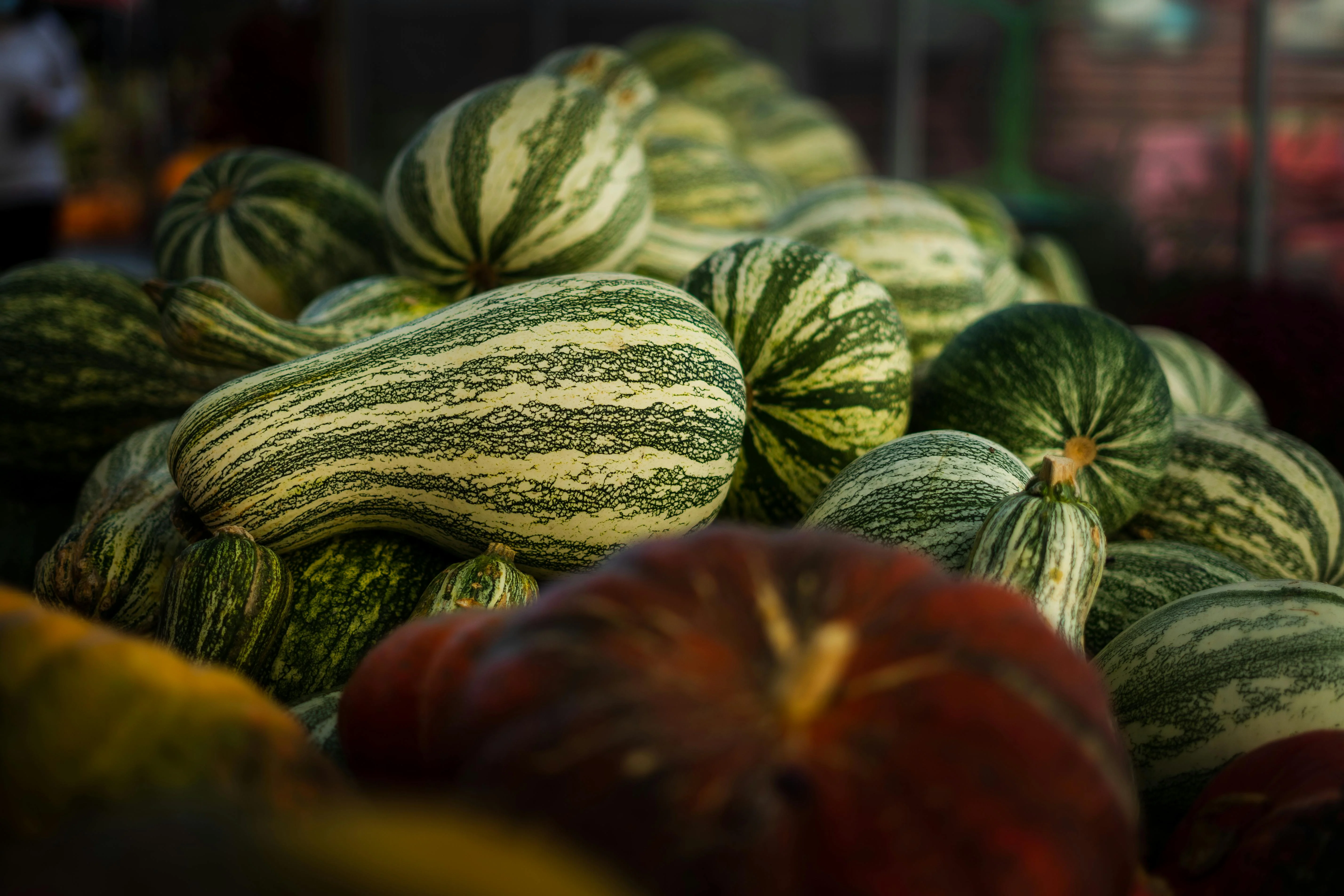
The Cushaw Green-Striped Squash is an old heirloom variety prized for its resilience and unique look. Its fruits are large and long-necked, often weighing 10–20 pounds, with a creamy white skin streaked in bold green stripes. The bulbous base is perfect for baking and pies, while the long curved neck is packed with firm, fine-grained flesh.
Unlike many winter squashes, Cushaw thrives in hot, humid climates and resists squash vine borers, making it a dependable choice for Southern gardens. Its flesh is mildly sweet, smooth, and less stringy than pumpkin—ideal for roasting, purees, and traditional southern “cushaw pie.”
The vigorous vines are sprawling, producing abundantly and storing well after harvest. This is a true multipurpose squash: beautiful for display, dependable in the garden, and delicious in the kitchen.
🌱 Planting
-
Direct Sowing: Plant outdoors after all danger of frost when soil temperatures reach at least 65–70°F (18–21°C).
-
Spacing:
-
Hill method: Mound soil into hills 3–4 feet apart, and plant 4–5 seeds per hill.
-
Thin later to the 2 strongest seedlings per hill.
-
Row method: Space plants 4–6 feet apart in rows 8–10 feet apart.
-
-
Depth: Sow seeds 1–1.5 inches deep.
💧 Watering
-
Keep soil evenly moist, especially during germination and fruit set.
-
Water deeply once or twice a week instead of shallow frequent watering.
-
Avoid wetting the leaves to help prevent mildew.
🌿 Growing Care
-
Mulching: Use straw or compost mulch to retain moisture, suppress weeds, and keep fruits clean.
-
Fertilizing: Side-dress with compost or a balanced fertilizer (5-10-10 works well) when vines begin to run and again at flowering.
-
Pollination: Cushaws rely on bees. If pollination is weak, hand-pollinate by transferring pollen from male to female flowers.
-
Pests: Naturally resistant to vine borers (a big plus), but still watch for squash bugs and aphids. Neem oil or row covers can help.
⏳ Harvesting
-
Days to Maturity: About 100–120 days.
-
Harvest when fruits are full-sized, hard-shelled, and the rind resists being punctured by your fingernail.
-
Cut squash from the vine with 2–3 inches of stem attached to improve storage.
🏡 Storage
-
Cure in a warm, dry spot for 10–14 days after harvest.
-
Store in a cool, dark, well-ventilated place. Properly cured Cushaws can last 3–4 months.
👉 Tip: Since these are long-vining plants, give them plenty of room or let them sprawl over the edge of a garden, compost pile, or even a fence.
Product Information
Product Information
Shipping & Returns
Shipping & Returns
Squash - Cushaw Green Striped
Squash - Cushaw Green Striped
Minimum Seed Count: 10
The Cushaw Green-Striped Squash is an old heirloom variety prized for its resilience and unique look. Its fruits are large and long-necked, often weighing 10–20 pounds, with a creamy white skin streaked in bold green stripes. The bulbous base is perfect for baking and pies, while the long curved neck is packed with firm, fine-grained flesh.
Unlike many winter squashes, Cushaw thrives in hot, humid climates and resists squash vine borers, making it a dependable choice for Southern gardens. Its flesh is mildly sweet, smooth, and less stringy than pumpkin—ideal for roasting, purees, and traditional southern “cushaw pie.”
The vigorous vines are sprawling, producing abundantly and storing well after harvest. This is a true multipurpose squash: beautiful for display, dependable in the garden, and delicious in the kitchen.
🌱 Planting
-
Direct Sowing: Plant outdoors after all danger of frost when soil temperatures reach at least 65–70°F (18–21°C).
-
Spacing:
-
Hill method: Mound soil into hills 3–4 feet apart, and plant 4–5 seeds per hill.
-
Thin later to the 2 strongest seedlings per hill.
-
Row method: Space plants 4–6 feet apart in rows 8–10 feet apart.
-
-
Depth: Sow seeds 1–1.5 inches deep.
💧 Watering
-
Keep soil evenly moist, especially during germination and fruit set.
-
Water deeply once or twice a week instead of shallow frequent watering.
-
Avoid wetting the leaves to help prevent mildew.
🌿 Growing Care
-
Mulching: Use straw or compost mulch to retain moisture, suppress weeds, and keep fruits clean.
-
Fertilizing: Side-dress with compost or a balanced fertilizer (5-10-10 works well) when vines begin to run and again at flowering.
-
Pollination: Cushaws rely on bees. If pollination is weak, hand-pollinate by transferring pollen from male to female flowers.
-
Pests: Naturally resistant to vine borers (a big plus), but still watch for squash bugs and aphids. Neem oil or row covers can help.
⏳ Harvesting
-
Days to Maturity: About 100–120 days.
-
Harvest when fruits are full-sized, hard-shelled, and the rind resists being punctured by your fingernail.
-
Cut squash from the vine with 2–3 inches of stem attached to improve storage.
🏡 Storage
-
Cure in a warm, dry spot for 10–14 days after harvest.
-
Store in a cool, dark, well-ventilated place. Properly cured Cushaws can last 3–4 months.
👉 Tip: Since these are long-vining plants, give them plenty of room or let them sprawl over the edge of a garden, compost pile, or even a fence.
Original: $4.00
-65%$4.00
$1.40Product Information
Product Information
Shipping & Returns
Shipping & Returns
Description
Minimum Seed Count: 10
The Cushaw Green-Striped Squash is an old heirloom variety prized for its resilience and unique look. Its fruits are large and long-necked, often weighing 10–20 pounds, with a creamy white skin streaked in bold green stripes. The bulbous base is perfect for baking and pies, while the long curved neck is packed with firm, fine-grained flesh.
Unlike many winter squashes, Cushaw thrives in hot, humid climates and resists squash vine borers, making it a dependable choice for Southern gardens. Its flesh is mildly sweet, smooth, and less stringy than pumpkin—ideal for roasting, purees, and traditional southern “cushaw pie.”
The vigorous vines are sprawling, producing abundantly and storing well after harvest. This is a true multipurpose squash: beautiful for display, dependable in the garden, and delicious in the kitchen.
🌱 Planting
-
Direct Sowing: Plant outdoors after all danger of frost when soil temperatures reach at least 65–70°F (18–21°C).
-
Spacing:
-
Hill method: Mound soil into hills 3–4 feet apart, and plant 4–5 seeds per hill.
-
Thin later to the 2 strongest seedlings per hill.
-
Row method: Space plants 4–6 feet apart in rows 8–10 feet apart.
-
-
Depth: Sow seeds 1–1.5 inches deep.
💧 Watering
-
Keep soil evenly moist, especially during germination and fruit set.
-
Water deeply once or twice a week instead of shallow frequent watering.
-
Avoid wetting the leaves to help prevent mildew.
🌿 Growing Care
-
Mulching: Use straw or compost mulch to retain moisture, suppress weeds, and keep fruits clean.
-
Fertilizing: Side-dress with compost or a balanced fertilizer (5-10-10 works well) when vines begin to run and again at flowering.
-
Pollination: Cushaws rely on bees. If pollination is weak, hand-pollinate by transferring pollen from male to female flowers.
-
Pests: Naturally resistant to vine borers (a big plus), but still watch for squash bugs and aphids. Neem oil or row covers can help.
⏳ Harvesting
-
Days to Maturity: About 100–120 days.
-
Harvest when fruits are full-sized, hard-shelled, and the rind resists being punctured by your fingernail.
-
Cut squash from the vine with 2–3 inches of stem attached to improve storage.
🏡 Storage
-
Cure in a warm, dry spot for 10–14 days after harvest.
-
Store in a cool, dark, well-ventilated place. Properly cured Cushaws can last 3–4 months.
👉 Tip: Since these are long-vining plants, give them plenty of room or let them sprawl over the edge of a garden, compost pile, or even a fence.