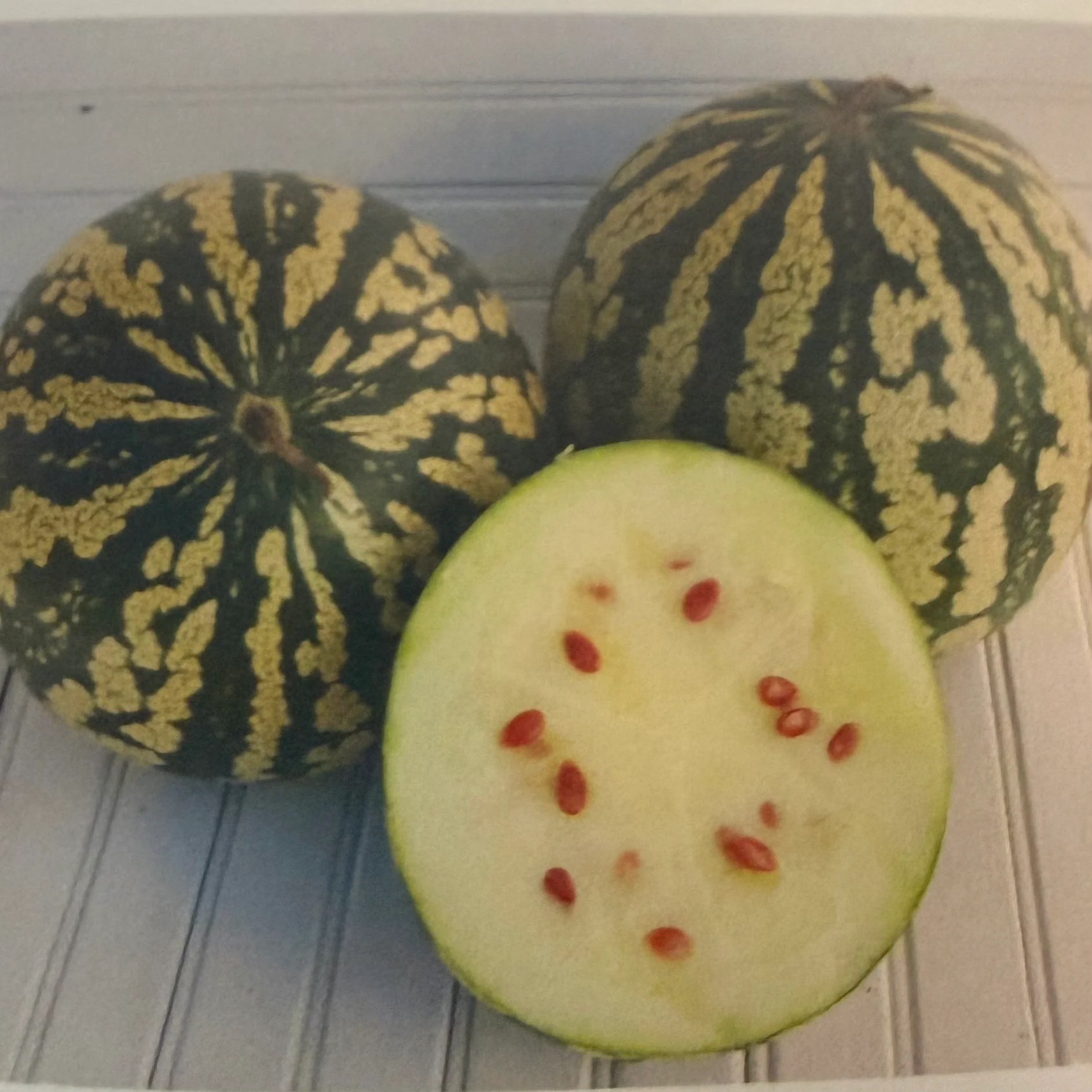
Kajari - Melon Seeds
Minimum Seed Count: 10
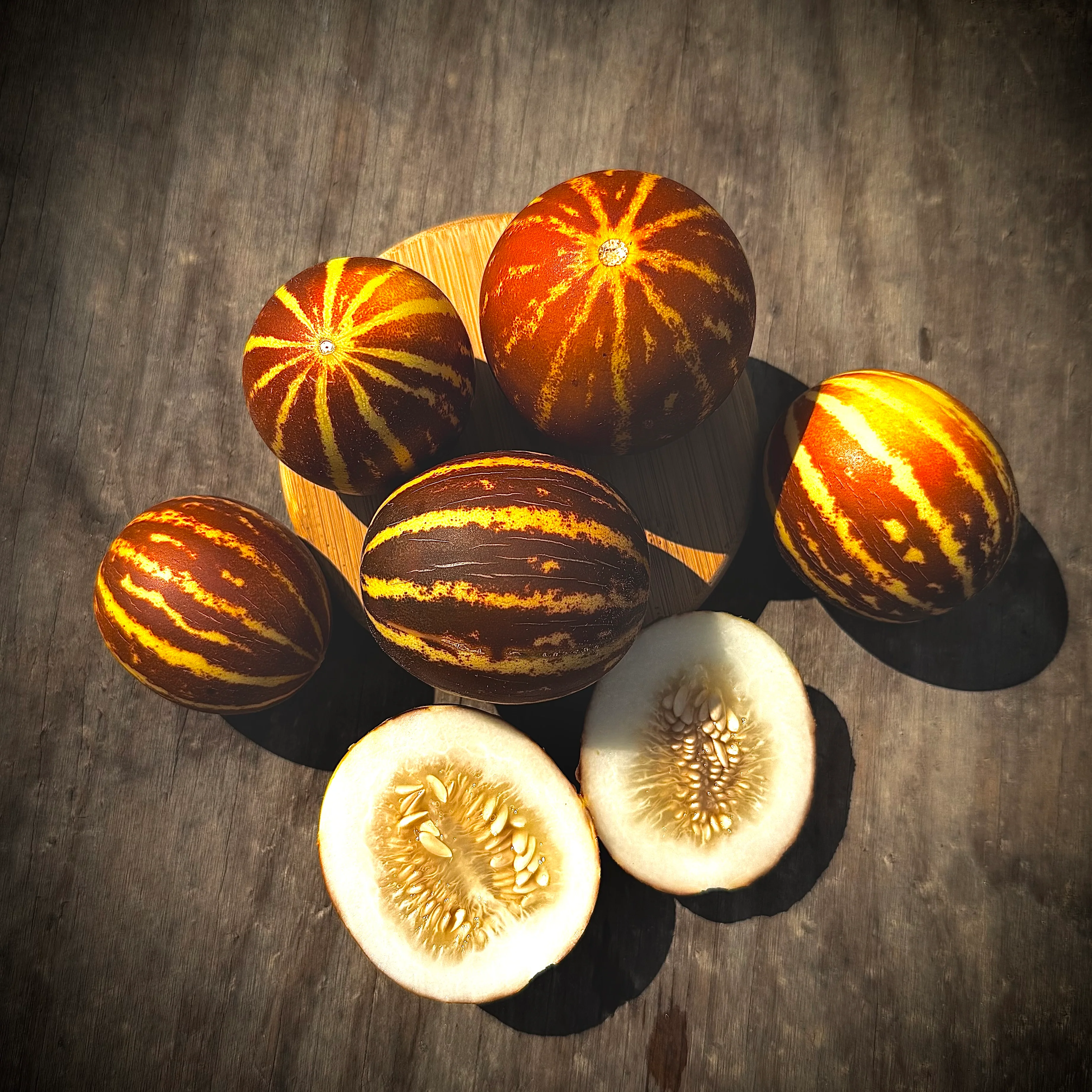
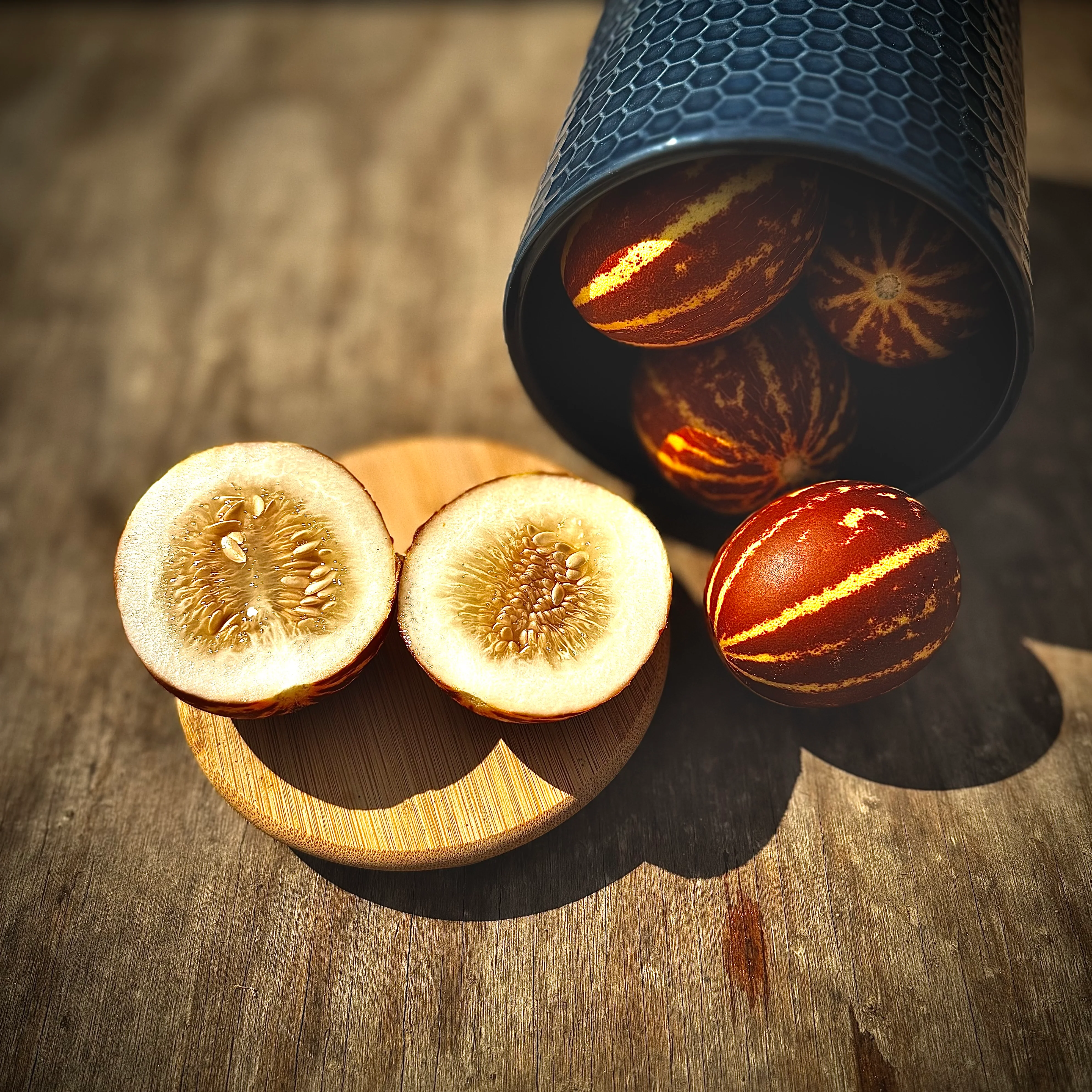
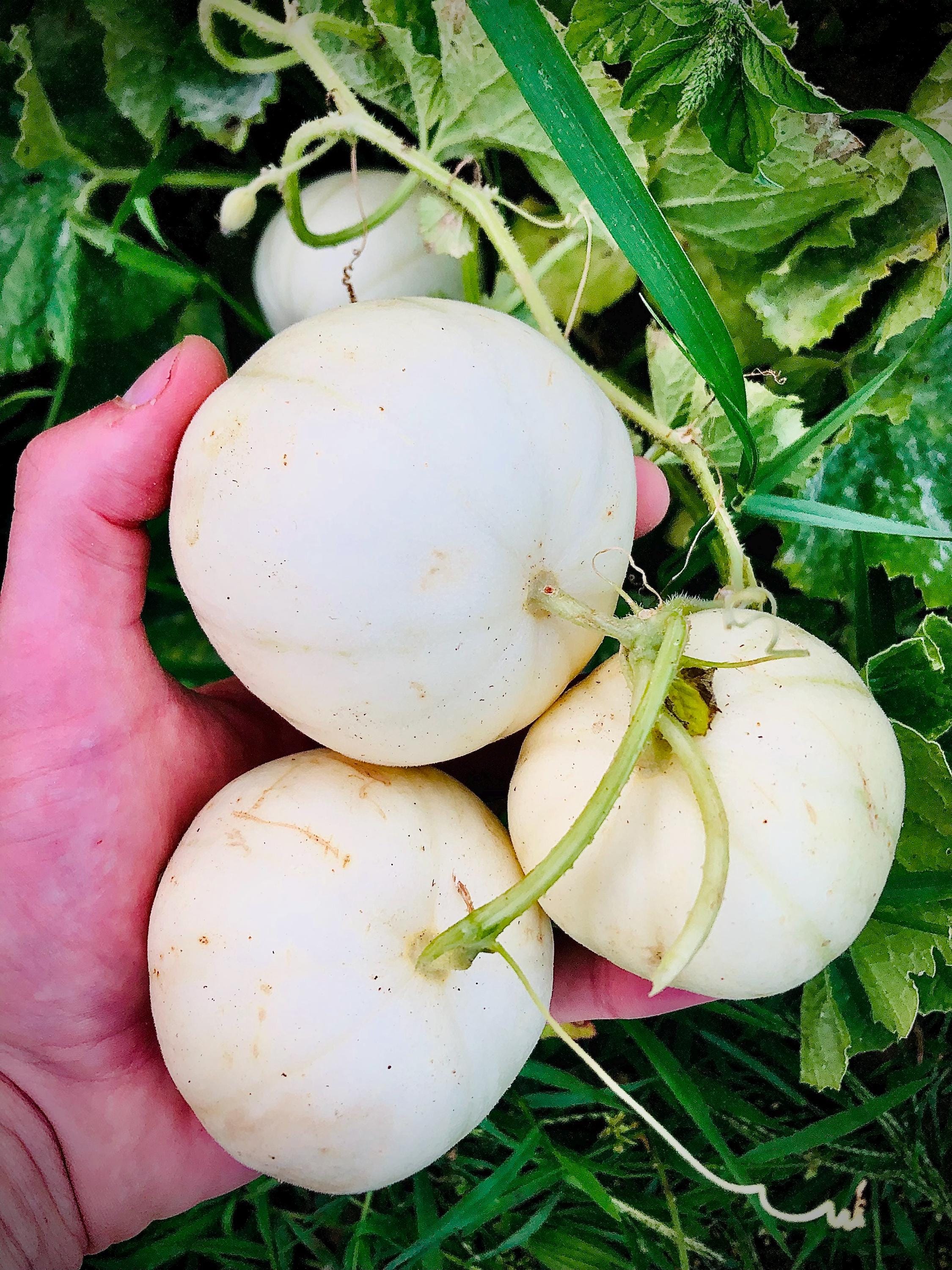
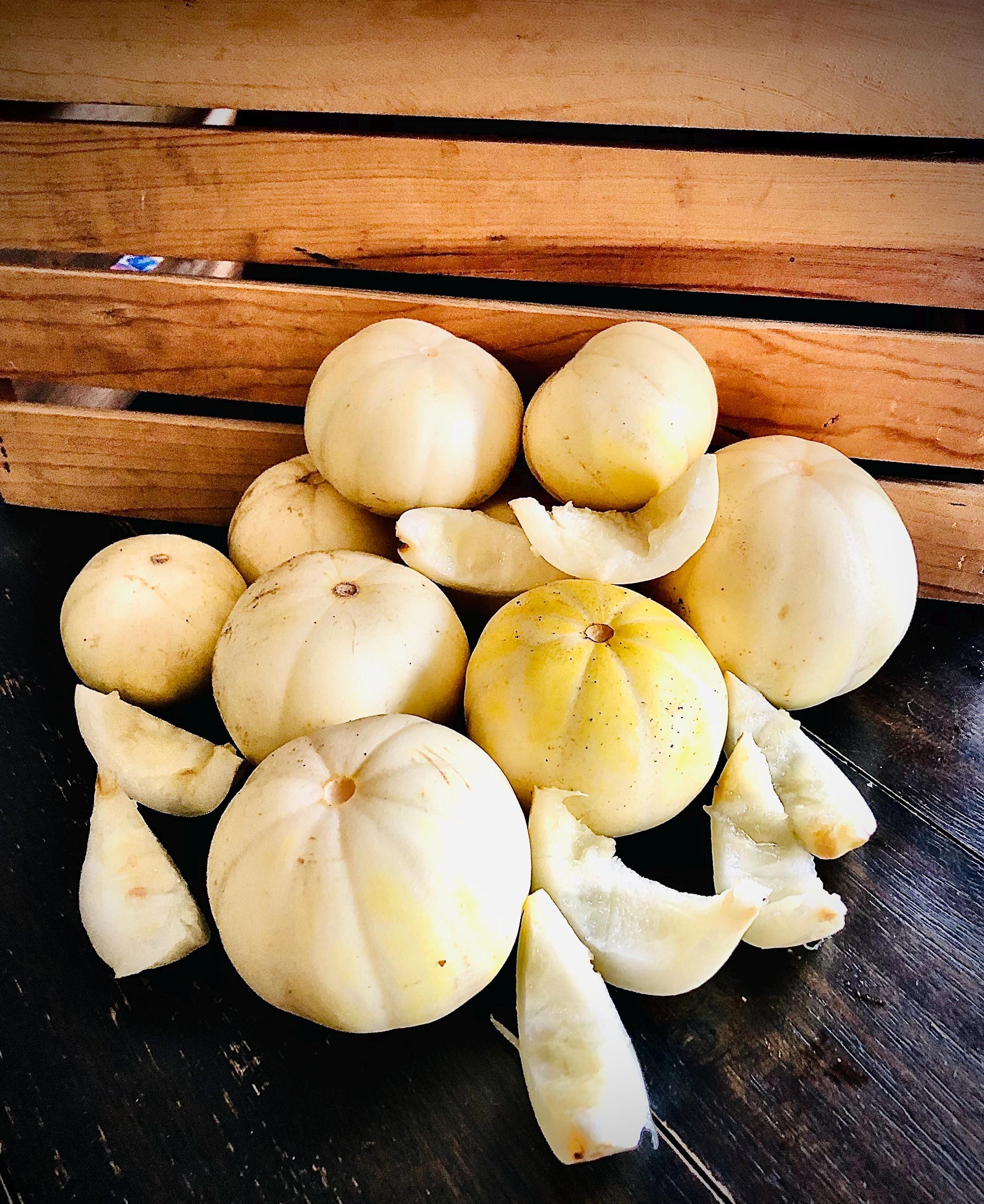
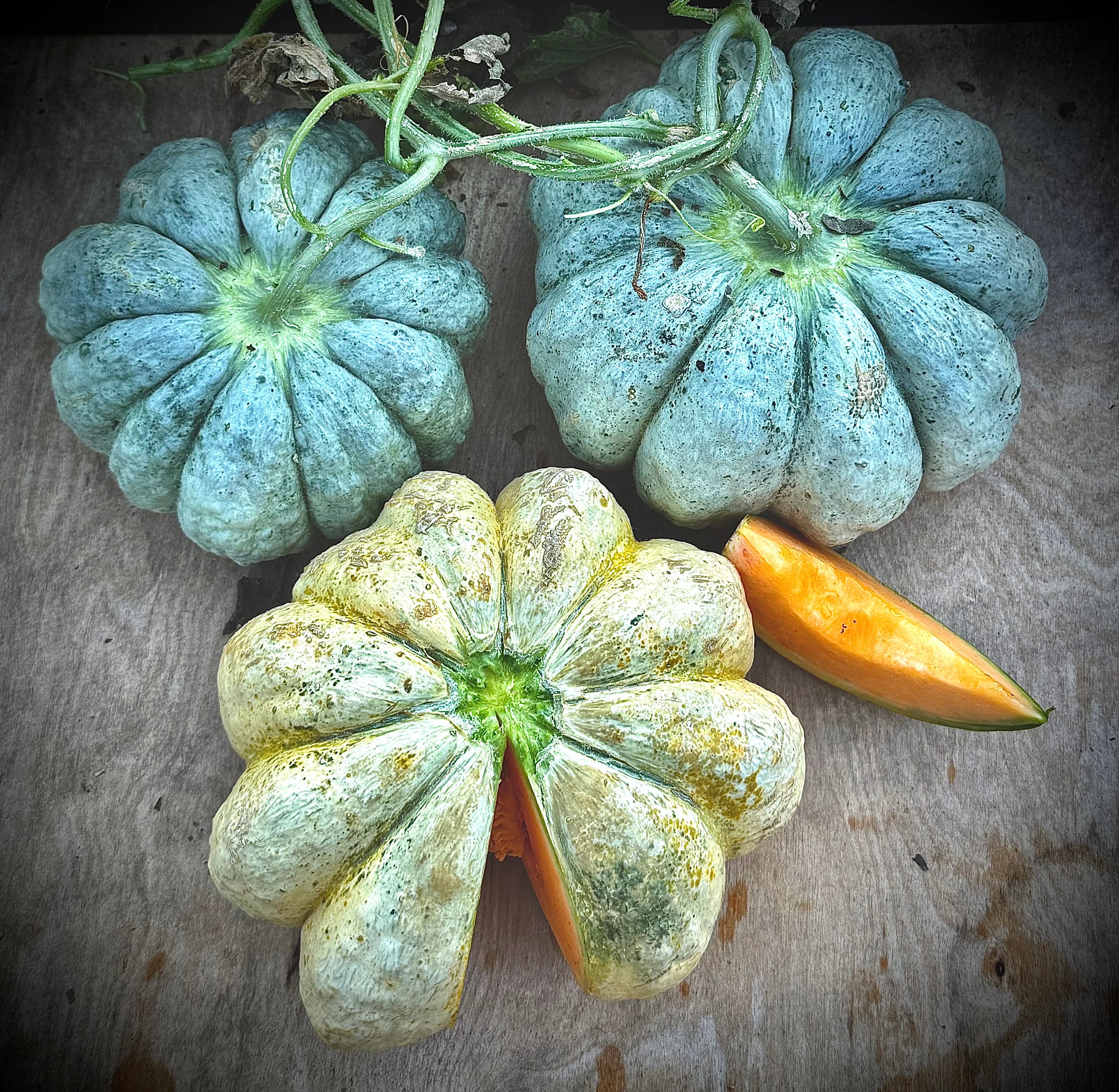
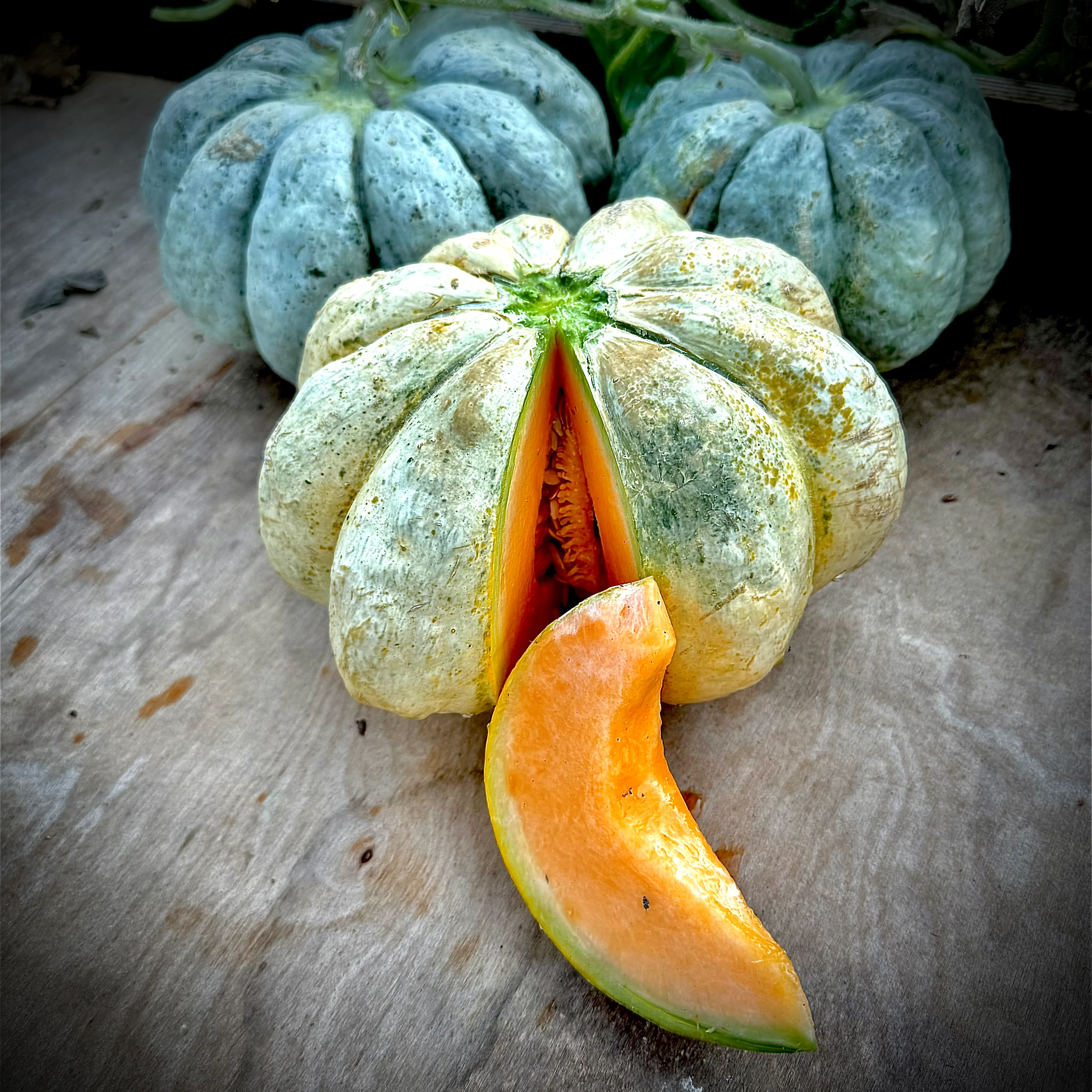
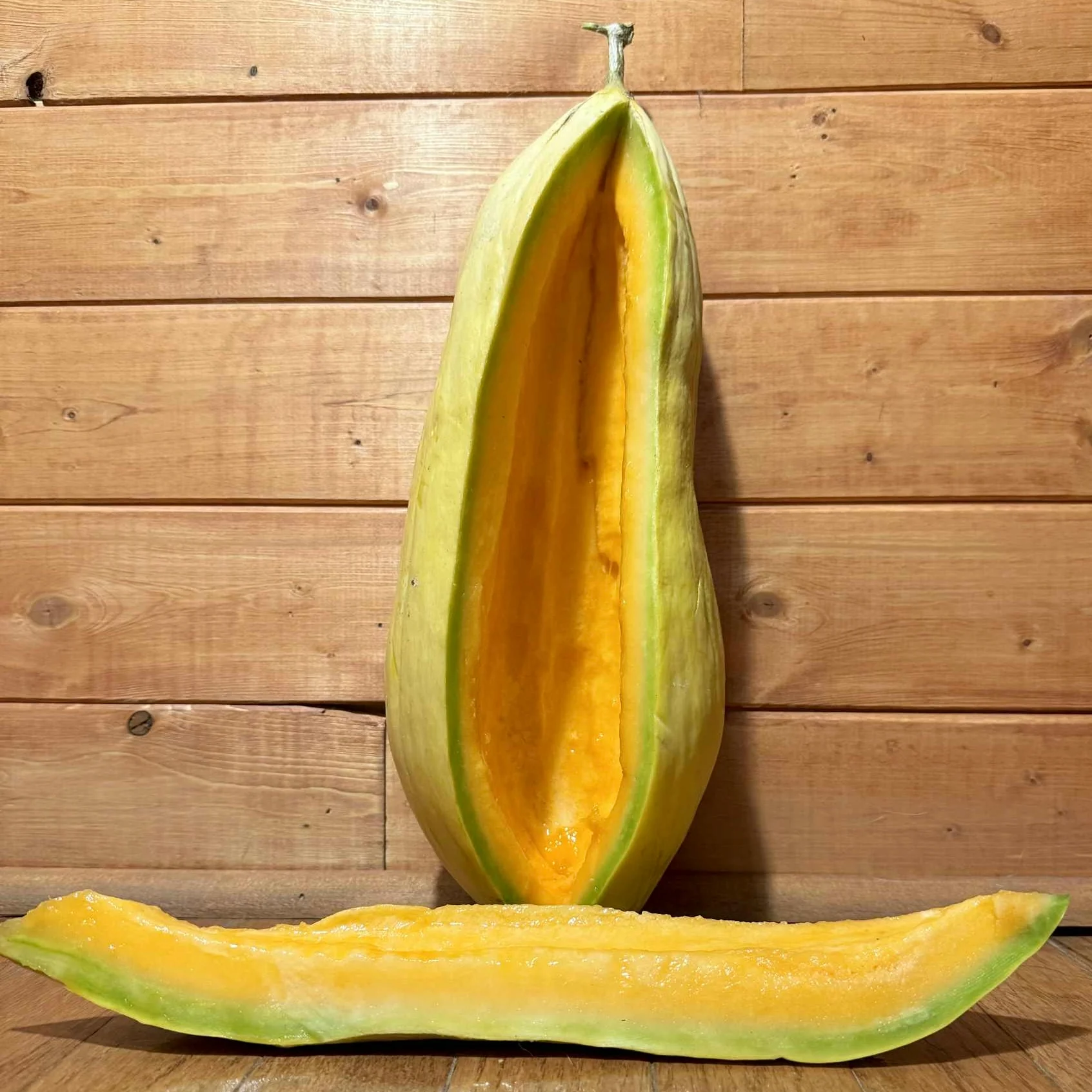
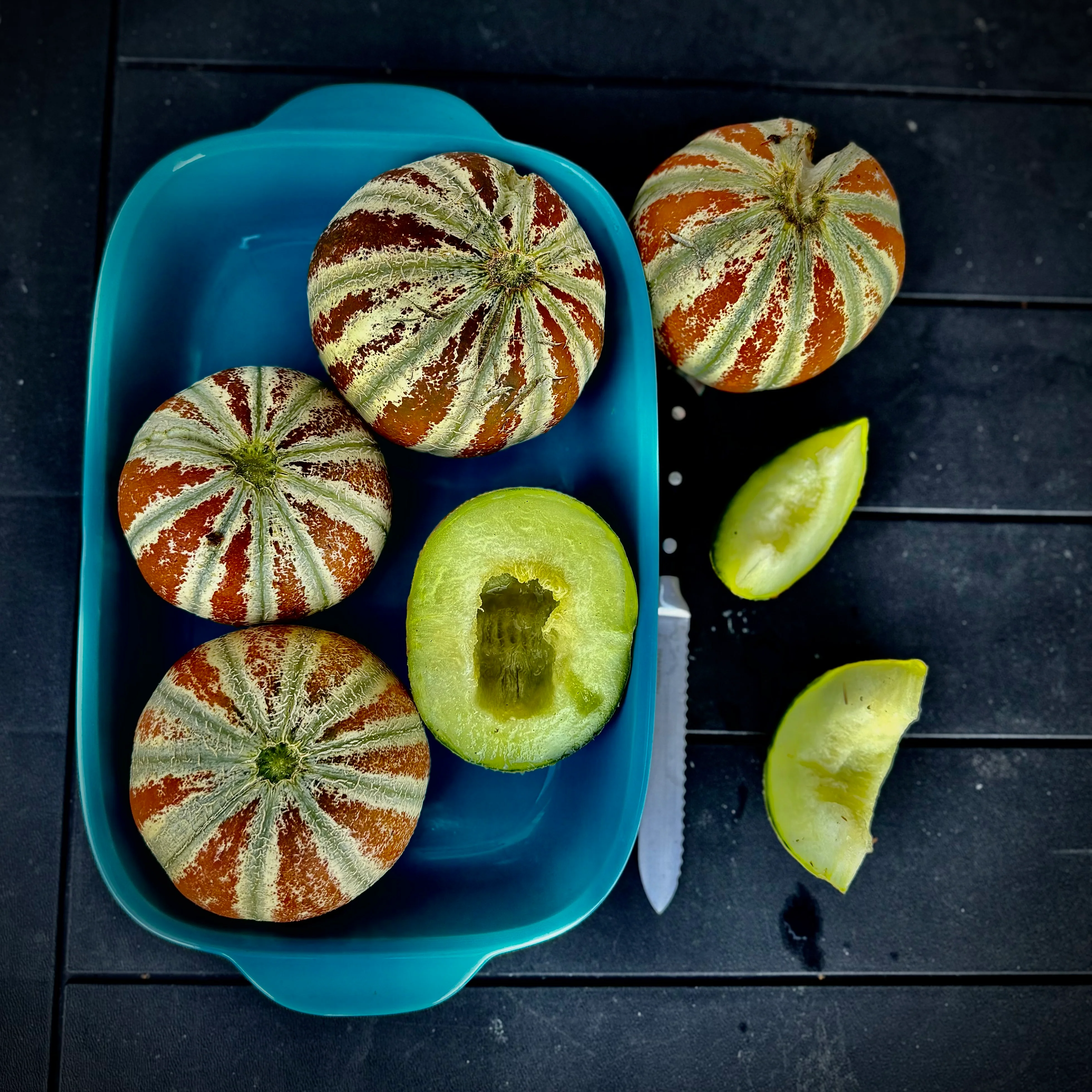
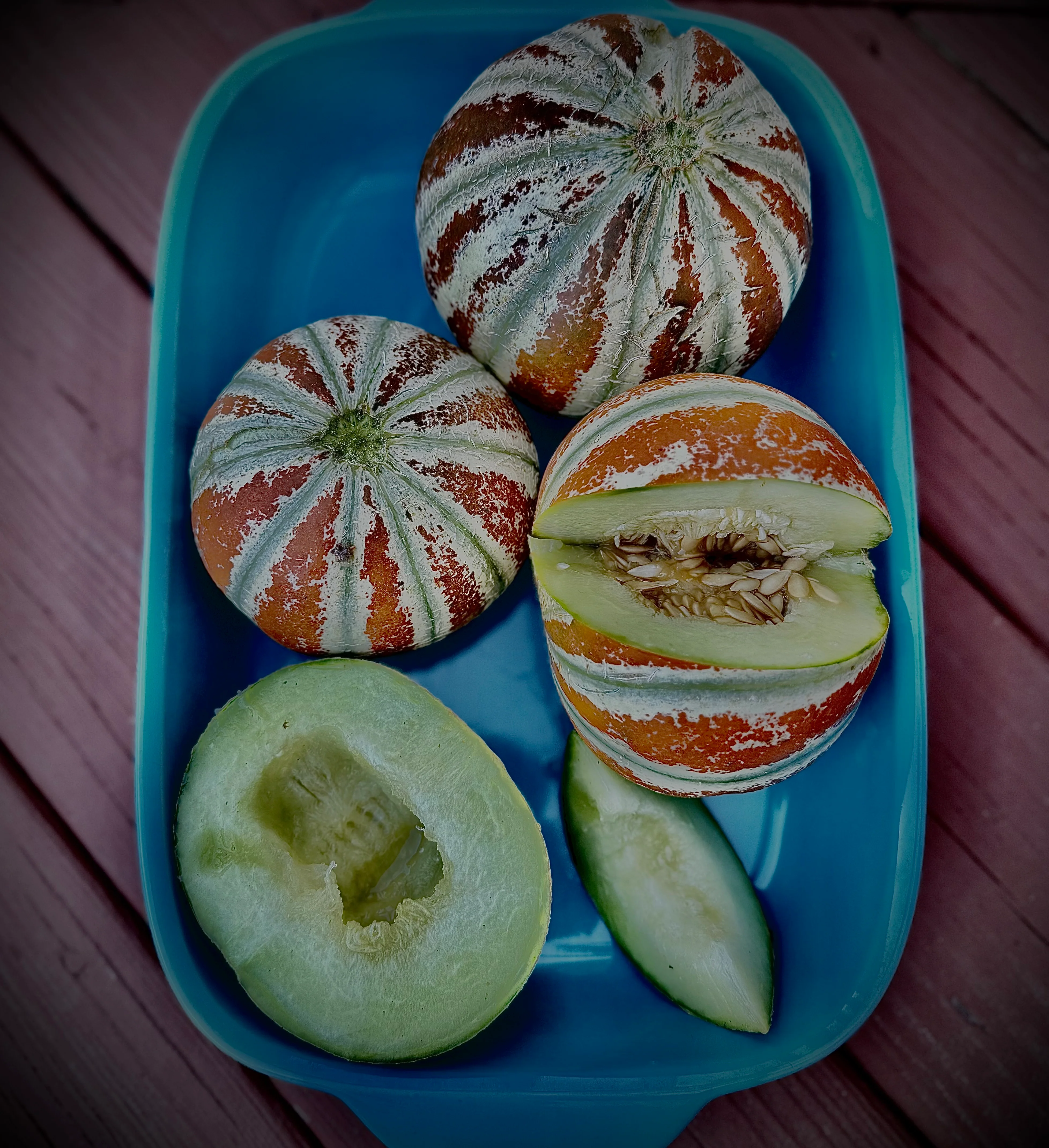
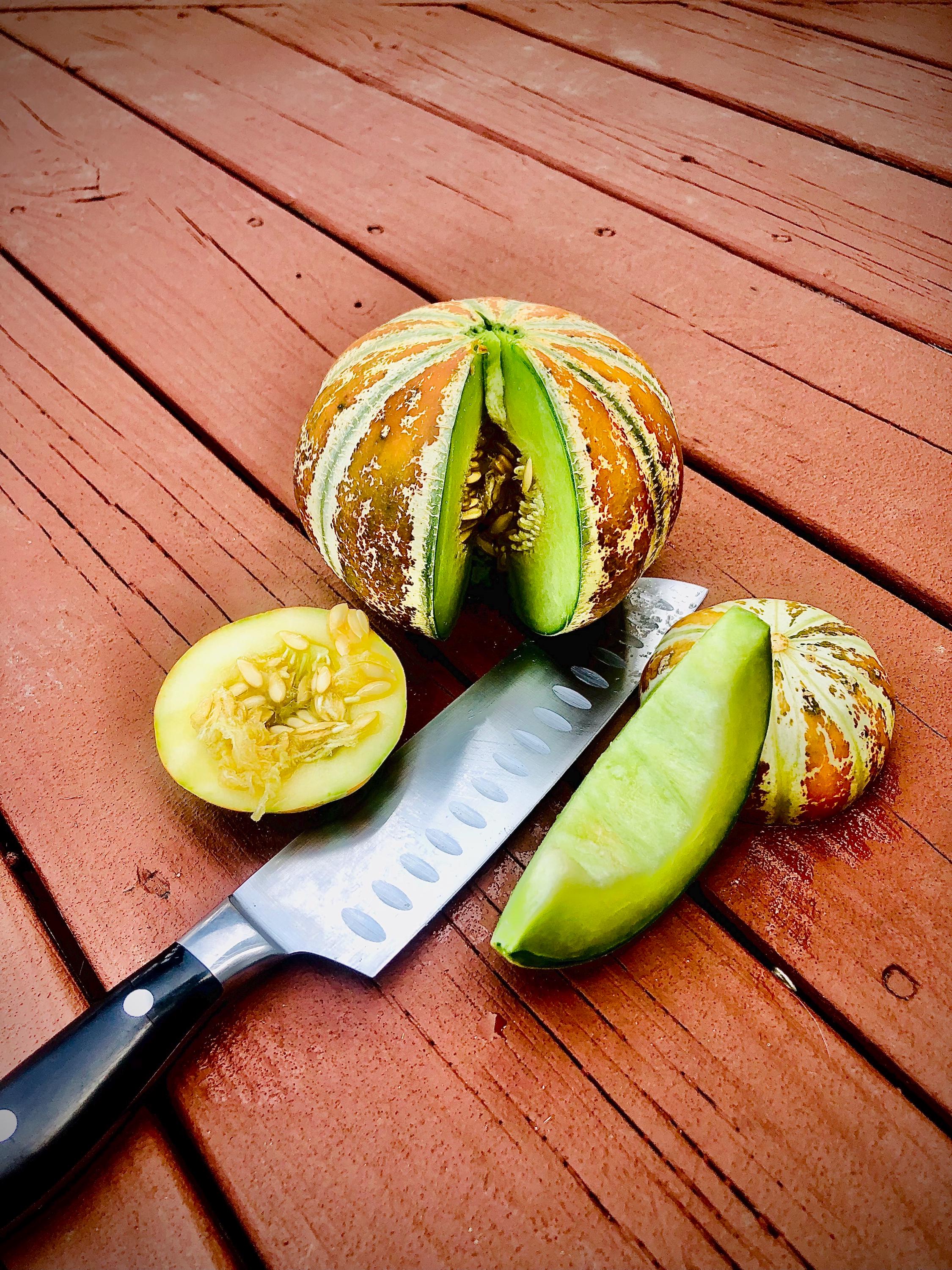
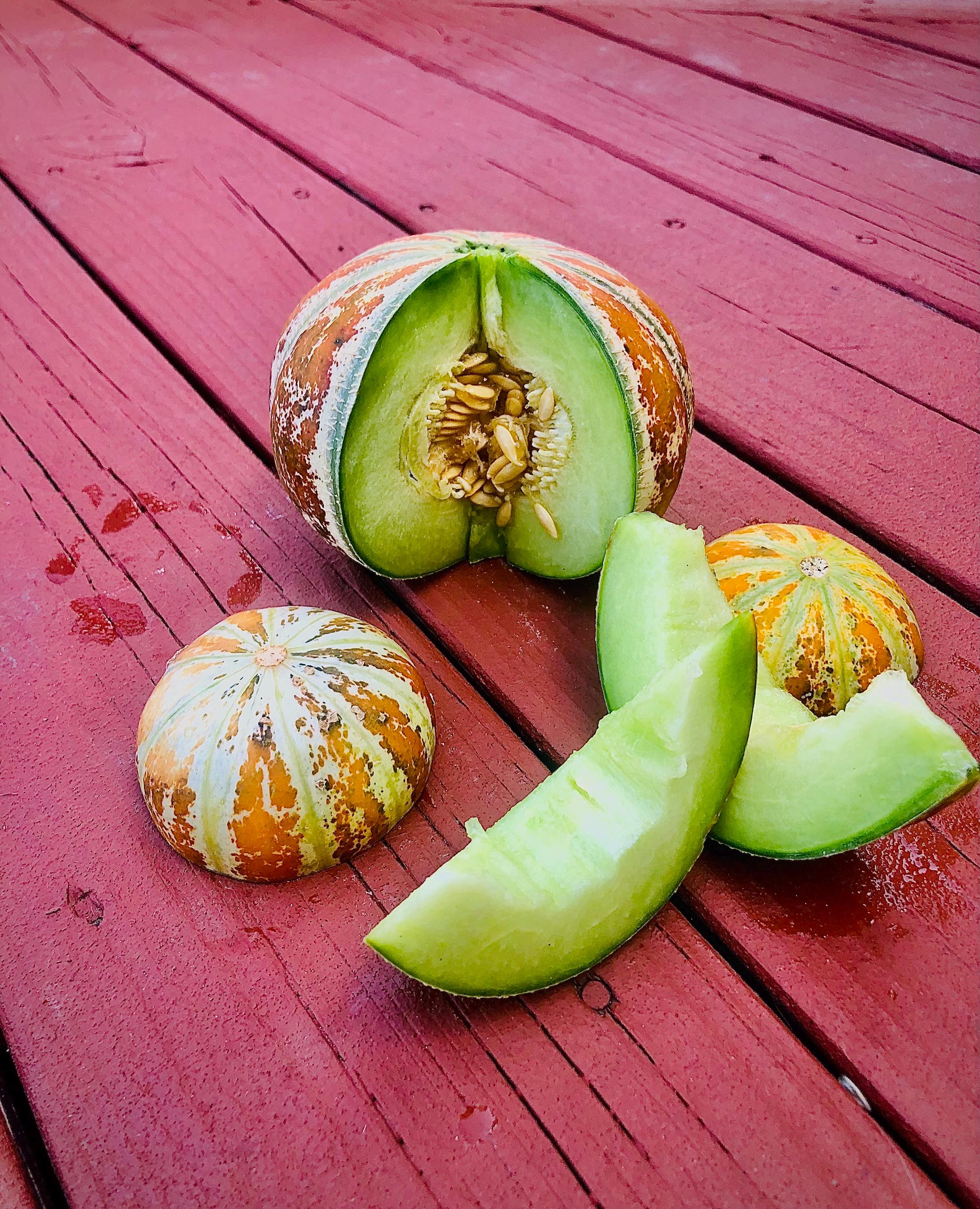
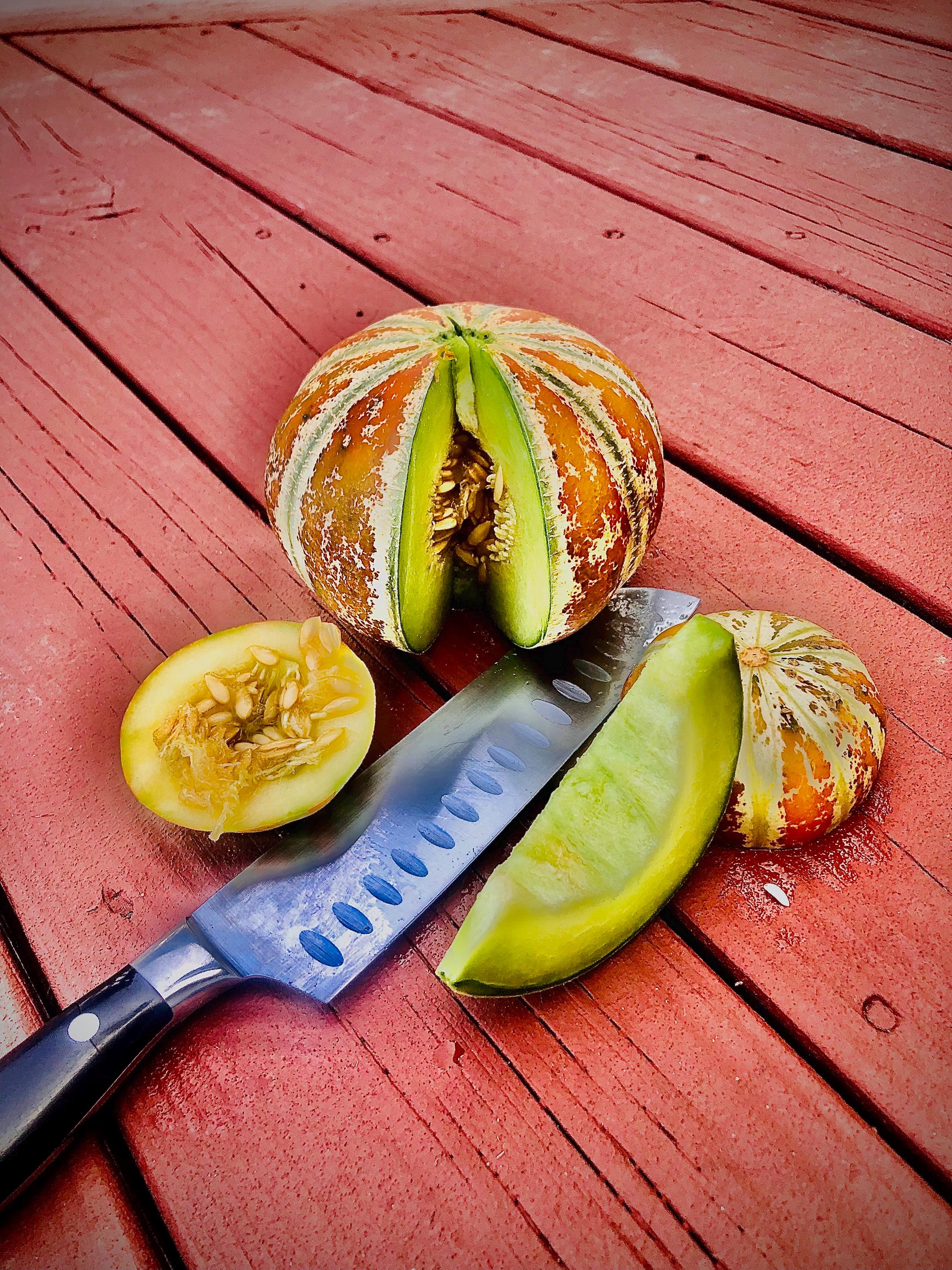
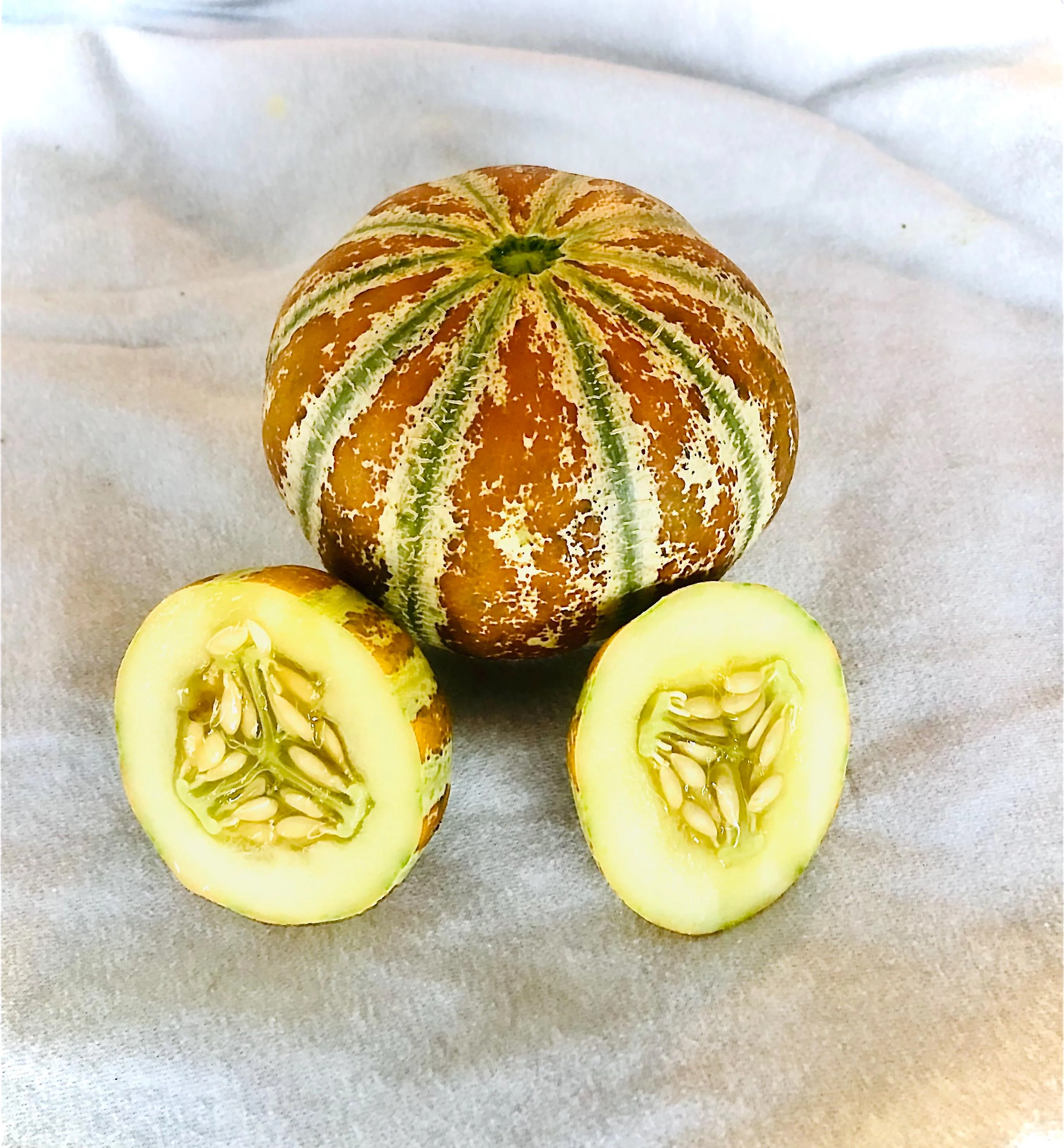
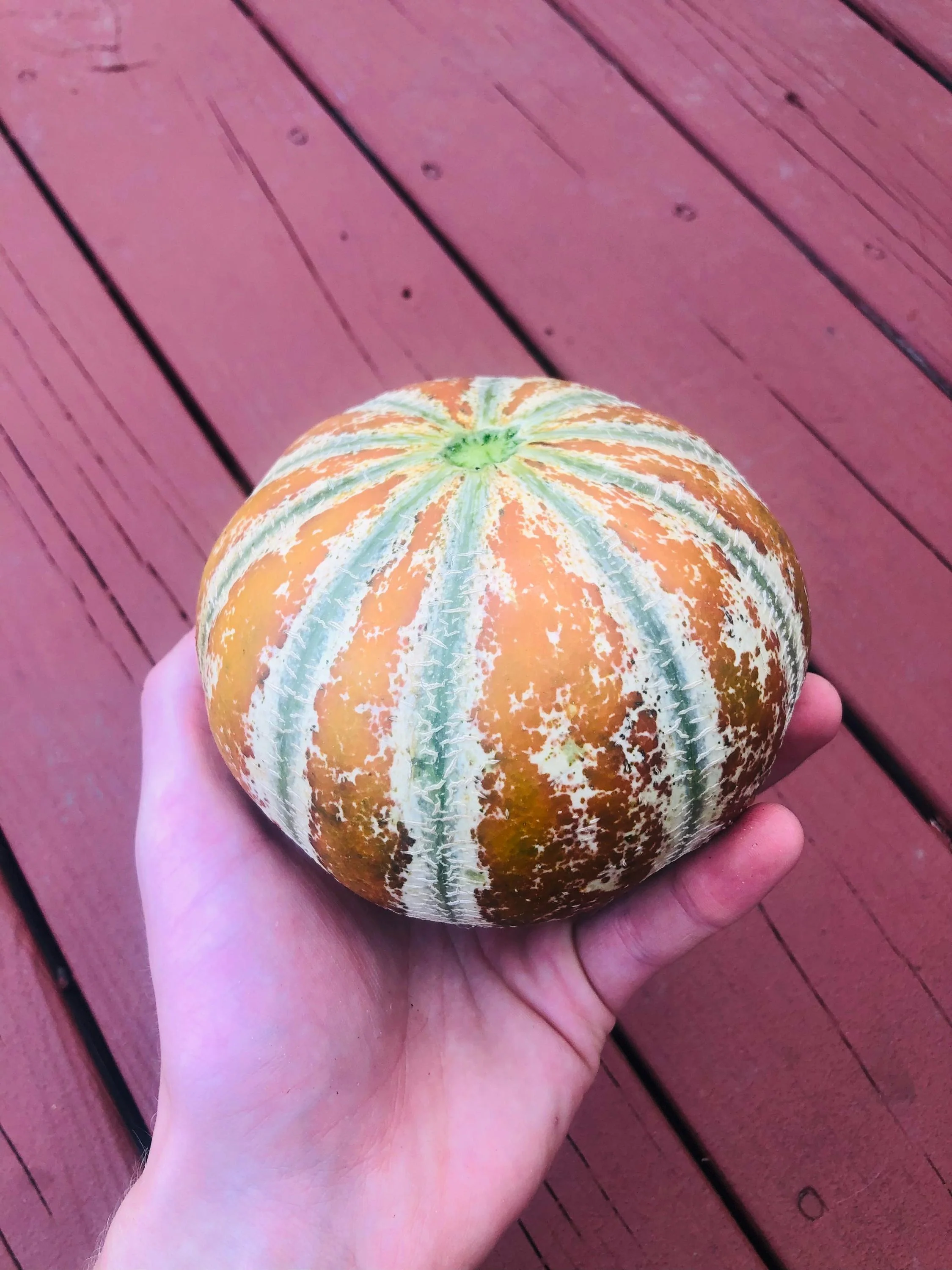
Of all the melon varieties we have tried, this is by far the best tasting and most beautiful one we have grown! Melons get around 1-2 pounds on average and grow incredibly on a trellis! Flesh is green, and stays crunchier and doesn’t get as mushy when ripe. Plants are coming but don’t get as tall as other varieties. If you haven’t grown the Kajari Melon, we highly recommend growing this in your garden!
🌱 Kajari Melon Planting Guide
1. When to Plant
-
Outdoors: After the danger of frost has passed and soil temps reach 70°F (21°C) or warmer.
-
Indoors (for short seasons): Start seeds 3–4 weeks before your last frost date, then transplant once weather is warm.
2. Site & Soil Prep
-
Sun: Full sun, minimum of 6–8 hours daily.
-
Soil: Loose, well-drained, sandy loam enriched with compost.
-
pH: 6.0–7.0 is ideal.
-
Bed Prep: Mound or hill up soil to improve drainage and warmth.
3. Planting Seeds
-
Direct Sow: ½–1 inch deep, in small hills.
-
Spacing:
-
Hills: 3–4 seeds per hill, thin to the strongest 2 plants.
-
Rows: Space plants 18–24 inches apart, rows 4–6 feet apart.
-
-
Trellising (optional): Kajari melons grow well on a trellis, which keeps fruit clean and saves space.
4. Watering & Care
-
Early Growth: Keep soil evenly moist, not soggy.
-
Flowering & Fruit Set: Water deeply once or twice a week. Avoid overhead watering to reduce mildew.
-
Ripening: Reduce watering slightly when fruits are close to maturity for sweeter melons.
5. Fertilization
-
At Planting: Mix in compost or a balanced organic fertilizer.
-
Mid-Season: Side-dress with compost or feed with a low-nitrogen fertilizer once vines start running and again at flowering.
6. Pollination
-
Kajari melons need insect pollination (bees are best). If pollinators are scarce, hand-pollinate by transferring pollen from male to female flowers.
7. Harvesting
-
Fruits ripen in about 70–80 days.
-
Signs of ripeness:
-
Rind develops rich red-orange striping with contrasting green.
-
Fruit slips easily from the vine when gently pulled.
-
Sweet aroma near the stem end.
-
8. Tips for Success
-
Use black plastic mulch or fabric to warm the soil and suppress weeds.
-
Rotate crops yearly to prevent soilborne diseases.
-
Watch for pests like cucumber beetles and squash bugs—use row covers early on.
Product Information
Product Information
Shipping & Returns
Shipping & Returns
Kajari - Melon Seeds
Kajari - Melon Seeds
Minimum Seed Count: 10
Of all the melon varieties we have tried, this is by far the best tasting and most beautiful one we have grown! Melons get around 1-2 pounds on average and grow incredibly on a trellis! Flesh is green, and stays crunchier and doesn’t get as mushy when ripe. Plants are coming but don’t get as tall as other varieties. If you haven’t grown the Kajari Melon, we highly recommend growing this in your garden!
🌱 Kajari Melon Planting Guide
1. When to Plant
-
Outdoors: After the danger of frost has passed and soil temps reach 70°F (21°C) or warmer.
-
Indoors (for short seasons): Start seeds 3–4 weeks before your last frost date, then transplant once weather is warm.
2. Site & Soil Prep
-
Sun: Full sun, minimum of 6–8 hours daily.
-
Soil: Loose, well-drained, sandy loam enriched with compost.
-
pH: 6.0–7.0 is ideal.
-
Bed Prep: Mound or hill up soil to improve drainage and warmth.
3. Planting Seeds
-
Direct Sow: ½–1 inch deep, in small hills.
-
Spacing:
-
Hills: 3–4 seeds per hill, thin to the strongest 2 plants.
-
Rows: Space plants 18–24 inches apart, rows 4–6 feet apart.
-
-
Trellising (optional): Kajari melons grow well on a trellis, which keeps fruit clean and saves space.
4. Watering & Care
-
Early Growth: Keep soil evenly moist, not soggy.
-
Flowering & Fruit Set: Water deeply once or twice a week. Avoid overhead watering to reduce mildew.
-
Ripening: Reduce watering slightly when fruits are close to maturity for sweeter melons.
5. Fertilization
-
At Planting: Mix in compost or a balanced organic fertilizer.
-
Mid-Season: Side-dress with compost or feed with a low-nitrogen fertilizer once vines start running and again at flowering.
6. Pollination
-
Kajari melons need insect pollination (bees are best). If pollinators are scarce, hand-pollinate by transferring pollen from male to female flowers.
7. Harvesting
-
Fruits ripen in about 70–80 days.
-
Signs of ripeness:
-
Rind develops rich red-orange striping with contrasting green.
-
Fruit slips easily from the vine when gently pulled.
-
Sweet aroma near the stem end.
-
8. Tips for Success
-
Use black plastic mulch or fabric to warm the soil and suppress weeds.
-
Rotate crops yearly to prevent soilborne diseases.
-
Watch for pests like cucumber beetles and squash bugs—use row covers early on.
Original: $5.00
-65%$5.00
$1.75Product Information
Product Information
Shipping & Returns
Shipping & Returns
Description
Minimum Seed Count: 10
Of all the melon varieties we have tried, this is by far the best tasting and most beautiful one we have grown! Melons get around 1-2 pounds on average and grow incredibly on a trellis! Flesh is green, and stays crunchier and doesn’t get as mushy when ripe. Plants are coming but don’t get as tall as other varieties. If you haven’t grown the Kajari Melon, we highly recommend growing this in your garden!
🌱 Kajari Melon Planting Guide
1. When to Plant
-
Outdoors: After the danger of frost has passed and soil temps reach 70°F (21°C) or warmer.
-
Indoors (for short seasons): Start seeds 3–4 weeks before your last frost date, then transplant once weather is warm.
2. Site & Soil Prep
-
Sun: Full sun, minimum of 6–8 hours daily.
-
Soil: Loose, well-drained, sandy loam enriched with compost.
-
pH: 6.0–7.0 is ideal.
-
Bed Prep: Mound or hill up soil to improve drainage and warmth.
3. Planting Seeds
-
Direct Sow: ½–1 inch deep, in small hills.
-
Spacing:
-
Hills: 3–4 seeds per hill, thin to the strongest 2 plants.
-
Rows: Space plants 18–24 inches apart, rows 4–6 feet apart.
-
-
Trellising (optional): Kajari melons grow well on a trellis, which keeps fruit clean and saves space.
4. Watering & Care
-
Early Growth: Keep soil evenly moist, not soggy.
-
Flowering & Fruit Set: Water deeply once or twice a week. Avoid overhead watering to reduce mildew.
-
Ripening: Reduce watering slightly when fruits are close to maturity for sweeter melons.
5. Fertilization
-
At Planting: Mix in compost or a balanced organic fertilizer.
-
Mid-Season: Side-dress with compost or feed with a low-nitrogen fertilizer once vines start running and again at flowering.
6. Pollination
-
Kajari melons need insect pollination (bees are best). If pollinators are scarce, hand-pollinate by transferring pollen from male to female flowers.
7. Harvesting
-
Fruits ripen in about 70–80 days.
-
Signs of ripeness:
-
Rind develops rich red-orange striping with contrasting green.
-
Fruit slips easily from the vine when gently pulled.
-
Sweet aroma near the stem end.
-
8. Tips for Success
-
Use black plastic mulch or fabric to warm the soil and suppress weeds.
-
Rotate crops yearly to prevent soilborne diseases.
-
Watch for pests like cucumber beetles and squash bugs—use row covers early on.