Squash - Honeynut
Minimum Seed Count: 10
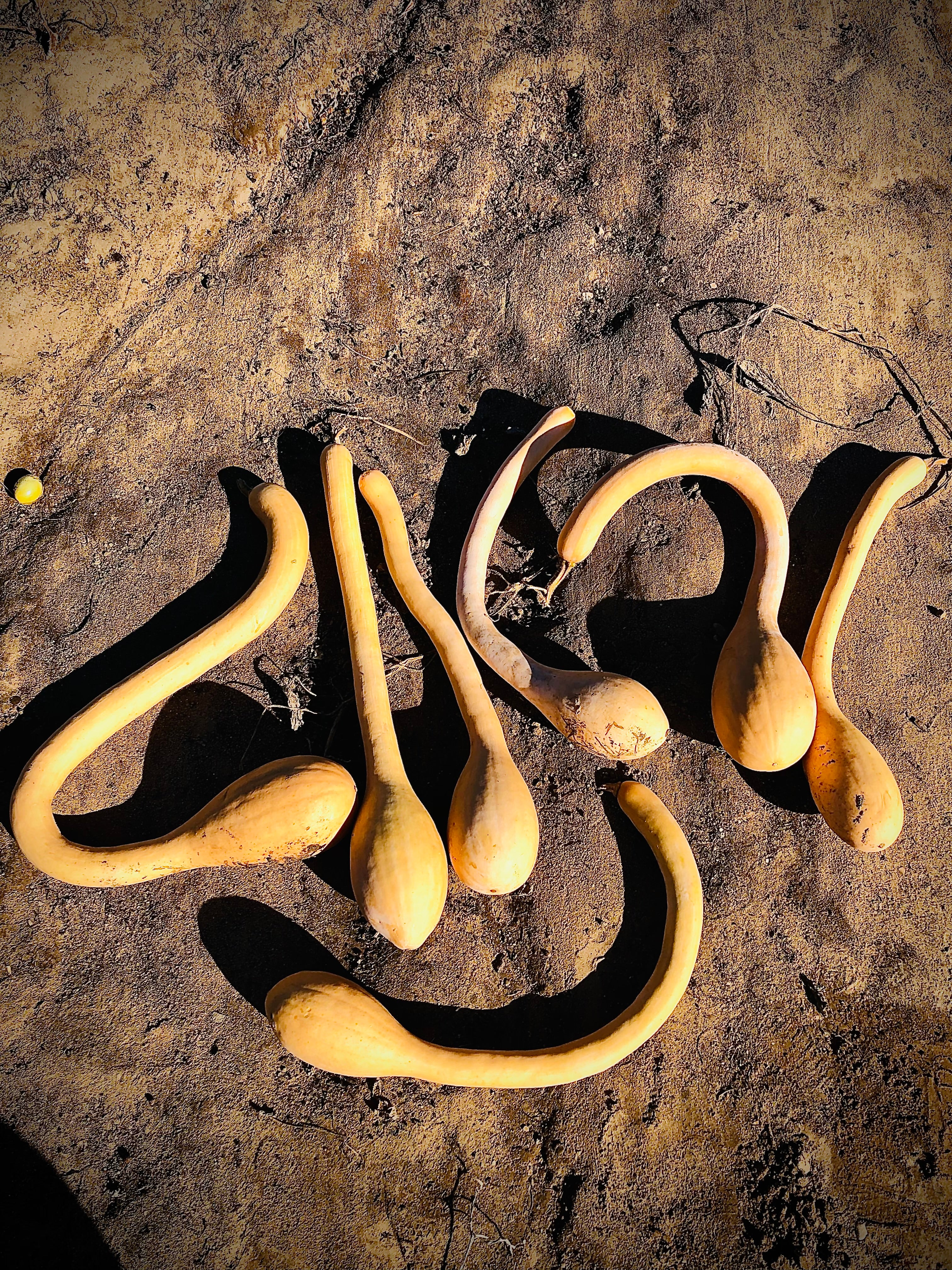
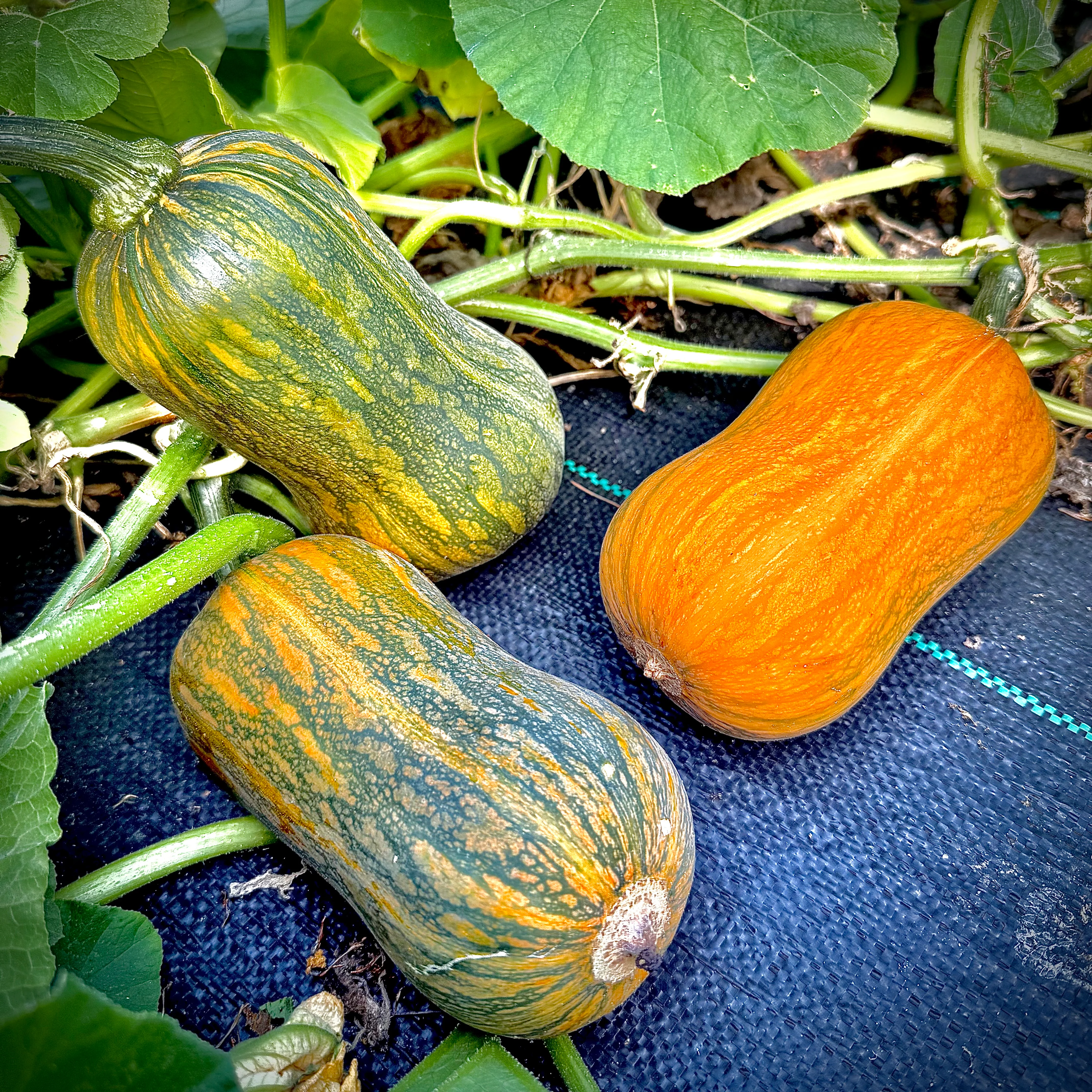
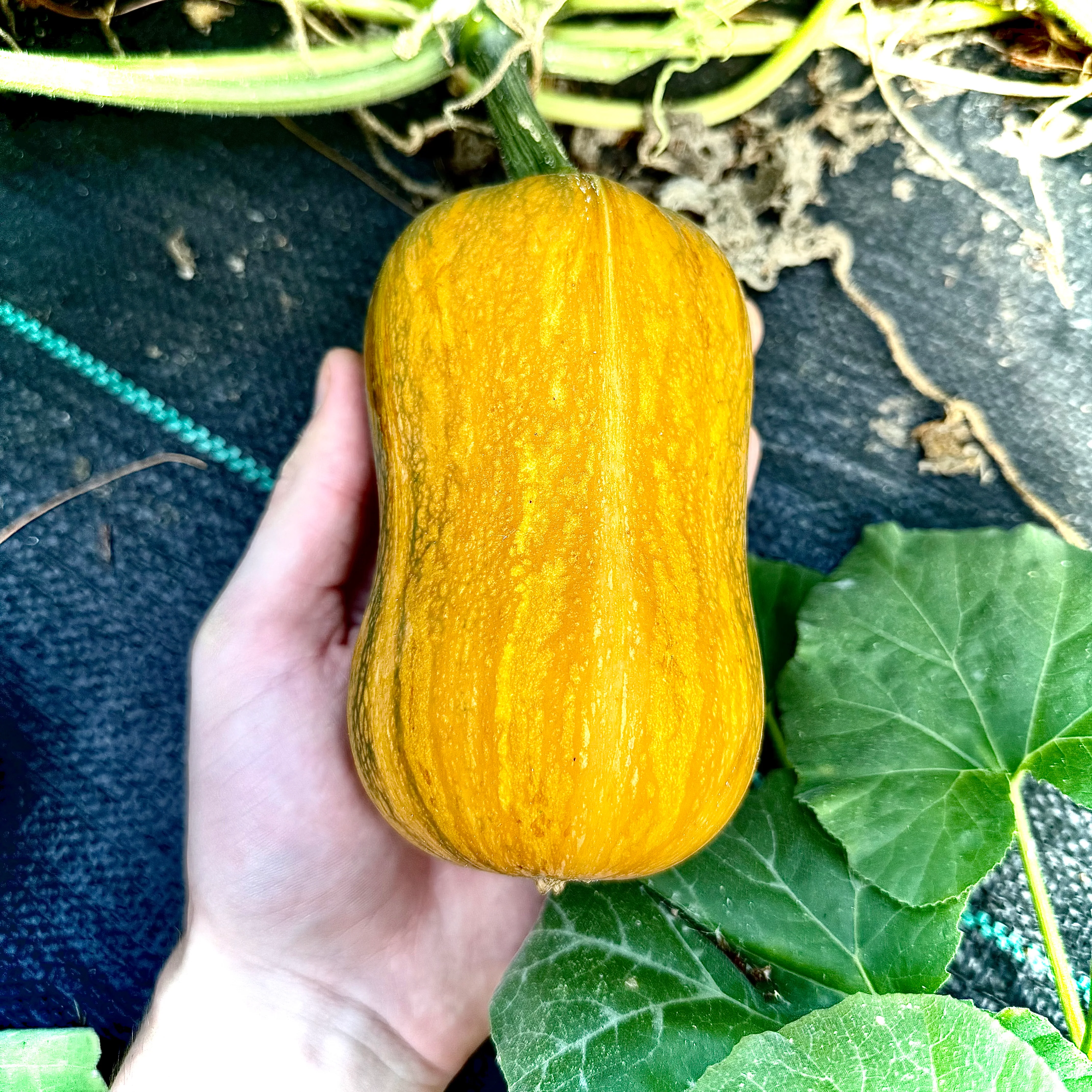
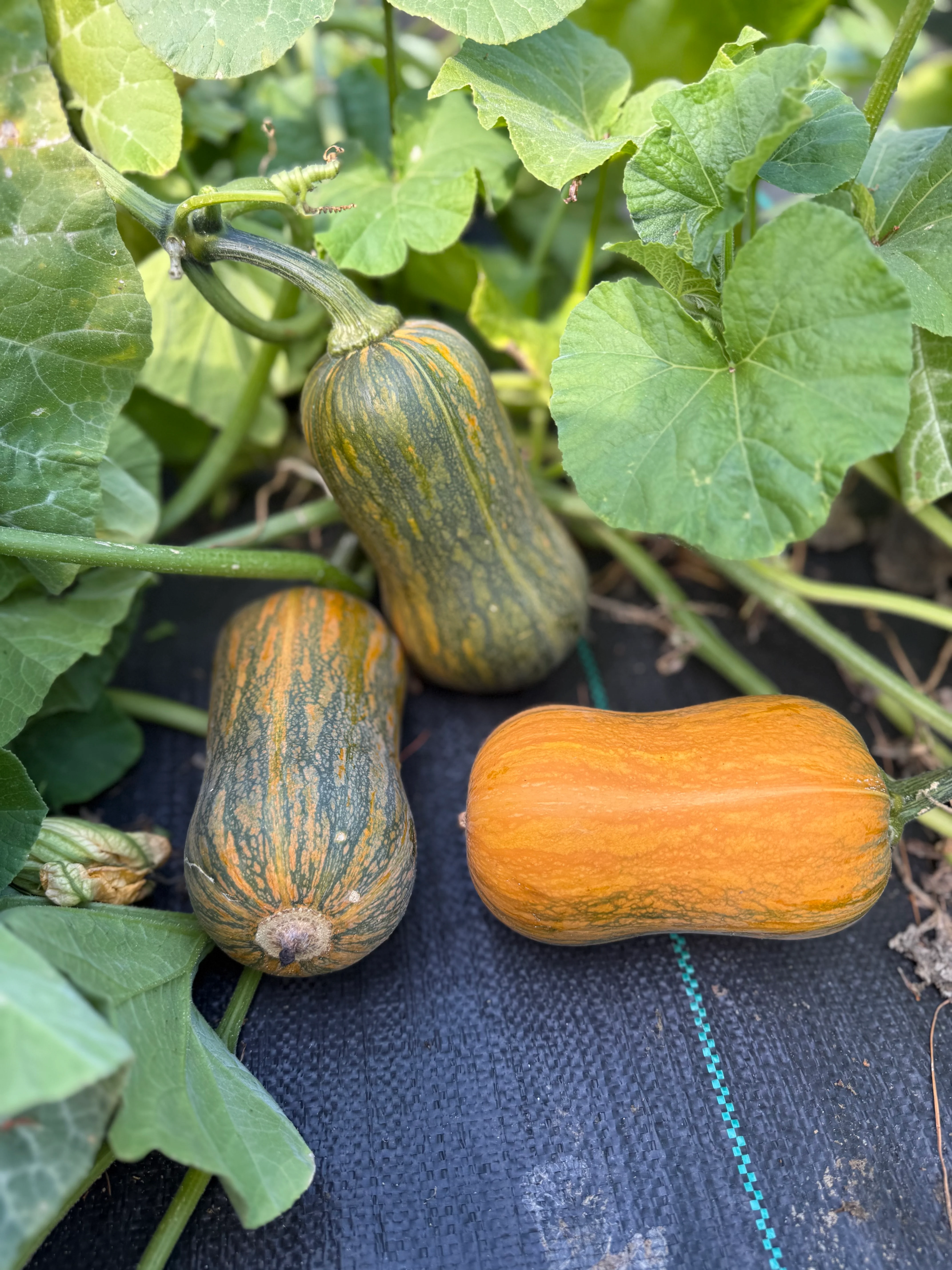
Meet the Honeynut Squash – a sweeter, richer, mini version of the classic butternut. All the excellent qualities of a butternut squash are added and amplified! These little powerhouses ripen to a glowing honey-orange and bring gourmet flavor straight from the garden to your plate. 🍯✨
Large plants, heavy yields, and a flavor that chefs rave about!
🌱 Planting Guide
1. When to Plant
-
Direct sowing: After danger of frost has passed and soil has warmed to at least 65°F (18°C).
-
Indoor starts: Begin seeds indoors 3–4 weeks before last frost date, then transplant once seedlings have 2–3 true leaves.
2. Soil Preparation
-
Type: Well-draining, fertile soil with plenty of organic matter.
-
pH: Prefers 6.0–6.8.
-
Amendments: Work in compost or well-rotted manure before planting. Honeynuts are heavy feeders, so rich soil gives best yields.
3. Spacing & Layout
-
Mounds/Hills: Plant 2–3 seeds per hill, thinning to the strongest seedling.
-
Spacing:
-
In hills: Space hills 3–4 ft apart in rows 5–6 ft apart.
-
On trellis: Place plants 2–3 ft apart, allowing vines to climb.
-
-
Honeynut vines are more compact than standard butternuts, but still need room to sprawl.
4. Watering
-
Keep soil evenly moist, about 1–1.5 inches per week.
-
Avoid wetting foliage; water at the base to reduce risk of mildew.
-
Consistent watering is especially important during fruit set and growth.
5. Fertilizing
-
Apply a balanced fertilizer (10-10-10 or organic equivalent) at planting.
-
Side-dress with compost or organic fertilizer once vines begin to run and again at fruit set.
-
Too much nitrogen = lots of vines, fewer fruits.
6. Pollination
-
Honeynut squash needs pollinators (bees).
-
If fruit set is poor, hand-pollinate by transferring pollen from male to female flowers with a small brush.
7. Pest & Disease Management
-
Watch for squash vine borers, squash bugs, cucumber beetles, and aphids.
-
Use row covers early, remove as soon as flowers appear for pollination.
-
Practice crop rotation and avoid planting squash in the same spot year after year.
-
Powdery mildew can be a problem—ensure good airflow and avoid overhead watering.
8. Harvesting
-
Fruits are ready about 110 days from sowing or when skin turns a rich deep orange-brown and resists fingernail pressure.
-
Cut with a sharp knife leaving 1–2 inches of stem for longer storage.
9. Curing & Storage
-
Cure squash in a warm, dry, well-ventilated spot (80–85°F) for 10–14 days.
-
Store in a cool, dry place (50–55°F). Properly cured Honeynuts store for 2–3 months.
✨ Tip for Success: Honeynut squash packs big sweetness into a smaller fruit, but it needs full sun, rich soil, and steady moisture to deliver that intense flavor. Trellising helps keep fruit off the ground, reduces rot, and saves space.
Product Information
Product Information
Shipping & Returns
Shipping & Returns
Squash - Honeynut
Squash - Honeynut
Minimum Seed Count: 10
Meet the Honeynut Squash – a sweeter, richer, mini version of the classic butternut. All the excellent qualities of a butternut squash are added and amplified! These little powerhouses ripen to a glowing honey-orange and bring gourmet flavor straight from the garden to your plate. 🍯✨
Large plants, heavy yields, and a flavor that chefs rave about!
🌱 Planting Guide
1. When to Plant
-
Direct sowing: After danger of frost has passed and soil has warmed to at least 65°F (18°C).
-
Indoor starts: Begin seeds indoors 3–4 weeks before last frost date, then transplant once seedlings have 2–3 true leaves.
2. Soil Preparation
-
Type: Well-draining, fertile soil with plenty of organic matter.
-
pH: Prefers 6.0–6.8.
-
Amendments: Work in compost or well-rotted manure before planting. Honeynuts are heavy feeders, so rich soil gives best yields.
3. Spacing & Layout
-
Mounds/Hills: Plant 2–3 seeds per hill, thinning to the strongest seedling.
-
Spacing:
-
In hills: Space hills 3–4 ft apart in rows 5–6 ft apart.
-
On trellis: Place plants 2–3 ft apart, allowing vines to climb.
-
-
Honeynut vines are more compact than standard butternuts, but still need room to sprawl.
4. Watering
-
Keep soil evenly moist, about 1–1.5 inches per week.
-
Avoid wetting foliage; water at the base to reduce risk of mildew.
-
Consistent watering is especially important during fruit set and growth.
5. Fertilizing
-
Apply a balanced fertilizer (10-10-10 or organic equivalent) at planting.
-
Side-dress with compost or organic fertilizer once vines begin to run and again at fruit set.
-
Too much nitrogen = lots of vines, fewer fruits.
6. Pollination
-
Honeynut squash needs pollinators (bees).
-
If fruit set is poor, hand-pollinate by transferring pollen from male to female flowers with a small brush.
7. Pest & Disease Management
-
Watch for squash vine borers, squash bugs, cucumber beetles, and aphids.
-
Use row covers early, remove as soon as flowers appear for pollination.
-
Practice crop rotation and avoid planting squash in the same spot year after year.
-
Powdery mildew can be a problem—ensure good airflow and avoid overhead watering.
8. Harvesting
-
Fruits are ready about 110 days from sowing or when skin turns a rich deep orange-brown and resists fingernail pressure.
-
Cut with a sharp knife leaving 1–2 inches of stem for longer storage.
9. Curing & Storage
-
Cure squash in a warm, dry, well-ventilated spot (80–85°F) for 10–14 days.
-
Store in a cool, dry place (50–55°F). Properly cured Honeynuts store for 2–3 months.
✨ Tip for Success: Honeynut squash packs big sweetness into a smaller fruit, but it needs full sun, rich soil, and steady moisture to deliver that intense flavor. Trellising helps keep fruit off the ground, reduces rot, and saves space.
Original: $4.00
-65%$4.00
$1.40Product Information
Product Information
Shipping & Returns
Shipping & Returns
Description
Minimum Seed Count: 10
Meet the Honeynut Squash – a sweeter, richer, mini version of the classic butternut. All the excellent qualities of a butternut squash are added and amplified! These little powerhouses ripen to a glowing honey-orange and bring gourmet flavor straight from the garden to your plate. 🍯✨
Large plants, heavy yields, and a flavor that chefs rave about!
🌱 Planting Guide
1. When to Plant
-
Direct sowing: After danger of frost has passed and soil has warmed to at least 65°F (18°C).
-
Indoor starts: Begin seeds indoors 3–4 weeks before last frost date, then transplant once seedlings have 2–3 true leaves.
2. Soil Preparation
-
Type: Well-draining, fertile soil with plenty of organic matter.
-
pH: Prefers 6.0–6.8.
-
Amendments: Work in compost or well-rotted manure before planting. Honeynuts are heavy feeders, so rich soil gives best yields.
3. Spacing & Layout
-
Mounds/Hills: Plant 2–3 seeds per hill, thinning to the strongest seedling.
-
Spacing:
-
In hills: Space hills 3–4 ft apart in rows 5–6 ft apart.
-
On trellis: Place plants 2–3 ft apart, allowing vines to climb.
-
-
Honeynut vines are more compact than standard butternuts, but still need room to sprawl.
4. Watering
-
Keep soil evenly moist, about 1–1.5 inches per week.
-
Avoid wetting foliage; water at the base to reduce risk of mildew.
-
Consistent watering is especially important during fruit set and growth.
5. Fertilizing
-
Apply a balanced fertilizer (10-10-10 or organic equivalent) at planting.
-
Side-dress with compost or organic fertilizer once vines begin to run and again at fruit set.
-
Too much nitrogen = lots of vines, fewer fruits.
6. Pollination
-
Honeynut squash needs pollinators (bees).
-
If fruit set is poor, hand-pollinate by transferring pollen from male to female flowers with a small brush.
7. Pest & Disease Management
-
Watch for squash vine borers, squash bugs, cucumber beetles, and aphids.
-
Use row covers early, remove as soon as flowers appear for pollination.
-
Practice crop rotation and avoid planting squash in the same spot year after year.
-
Powdery mildew can be a problem—ensure good airflow and avoid overhead watering.
8. Harvesting
-
Fruits are ready about 110 days from sowing or when skin turns a rich deep orange-brown and resists fingernail pressure.
-
Cut with a sharp knife leaving 1–2 inches of stem for longer storage.
9. Curing & Storage
-
Cure squash in a warm, dry, well-ventilated spot (80–85°F) for 10–14 days.
-
Store in a cool, dry place (50–55°F). Properly cured Honeynuts store for 2–3 months.
✨ Tip for Success: Honeynut squash packs big sweetness into a smaller fruit, but it needs full sun, rich soil, and steady moisture to deliver that intense flavor. Trellising helps keep fruit off the ground, reduces rot, and saves space.